- +977-1- 5706295 / +977-1-5706000 / +977-1-5706392
- 246 Sahayog Marg, Anamnagar, Kathmandu

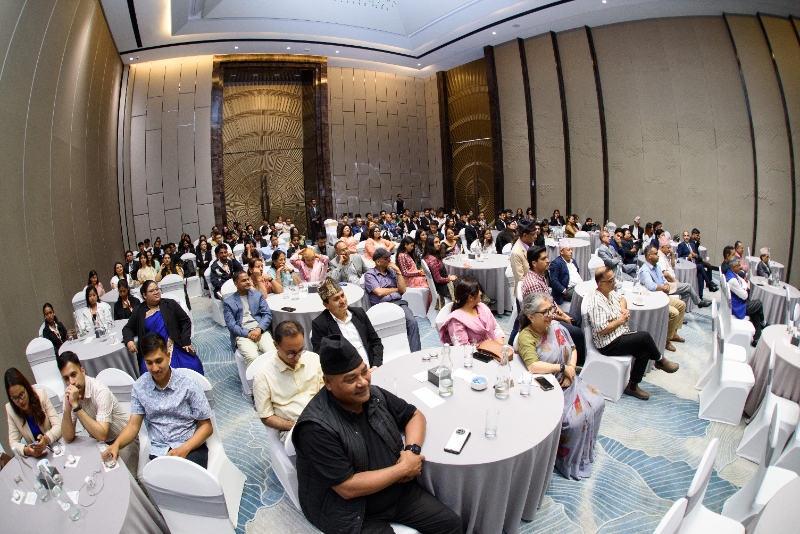
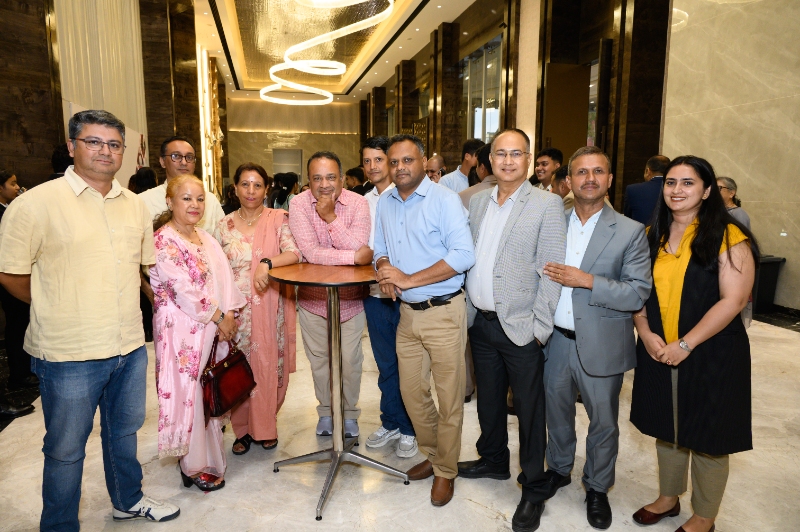
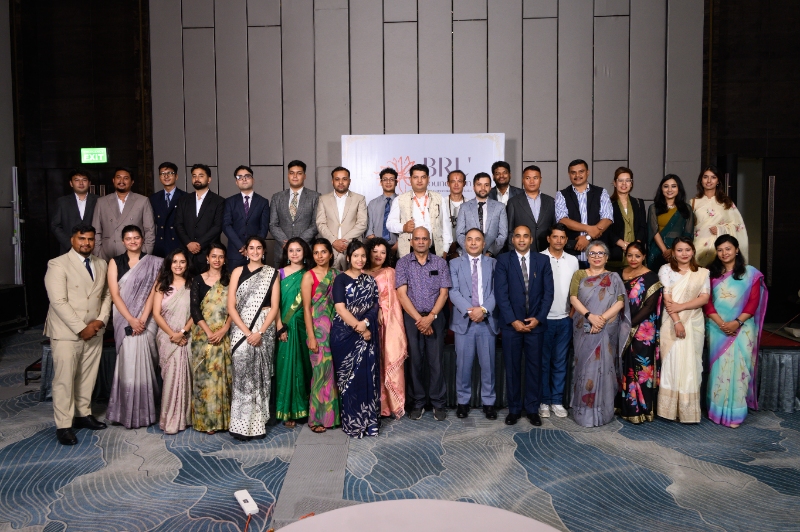
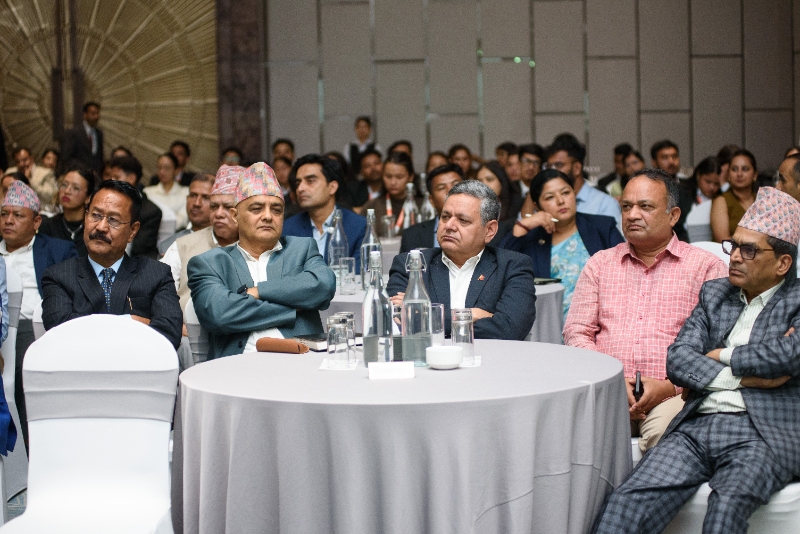
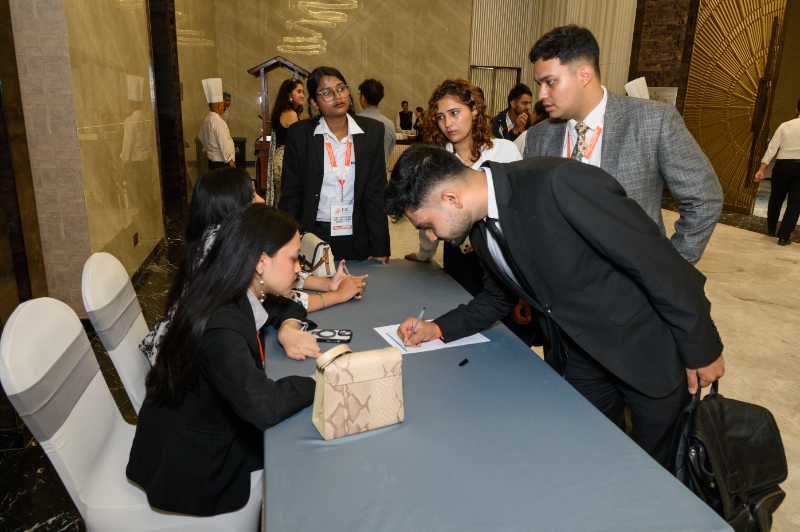
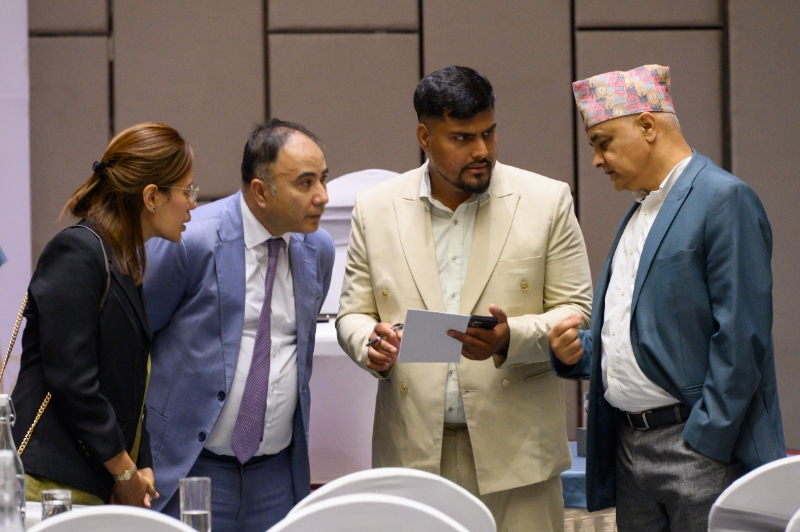
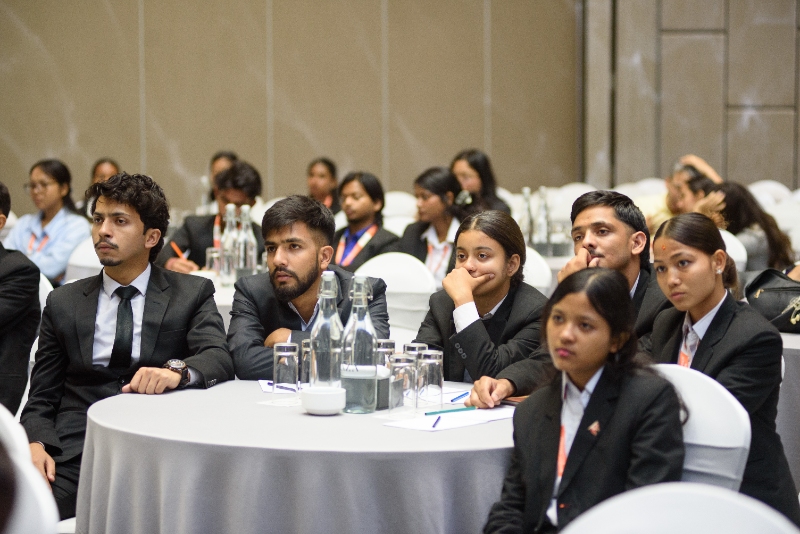
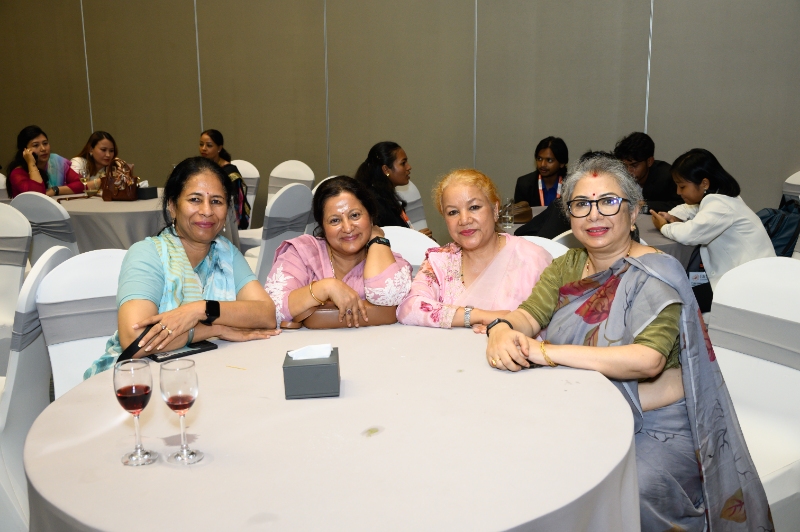
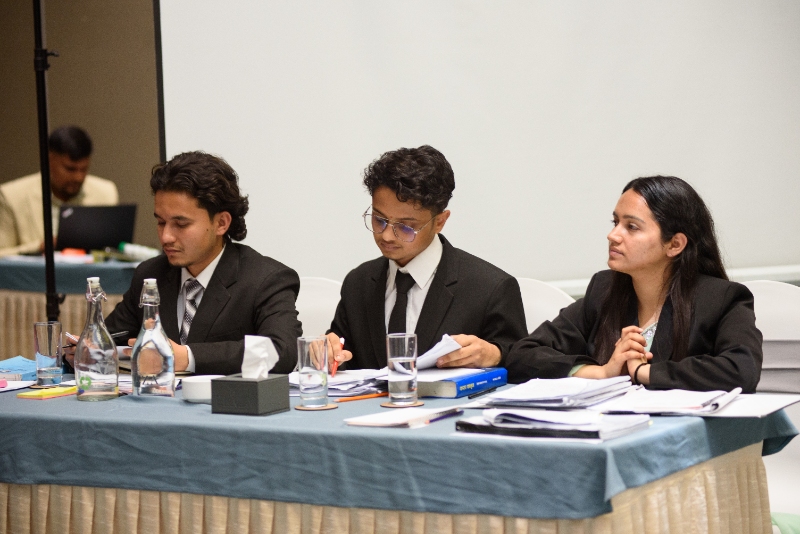
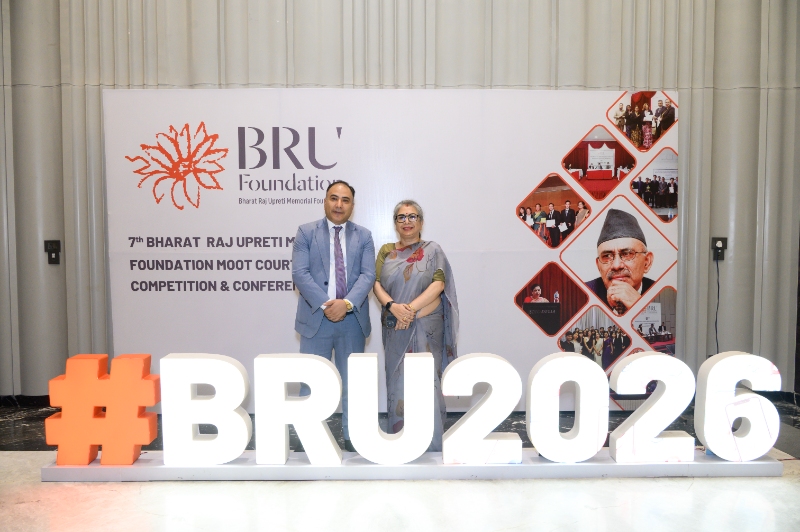
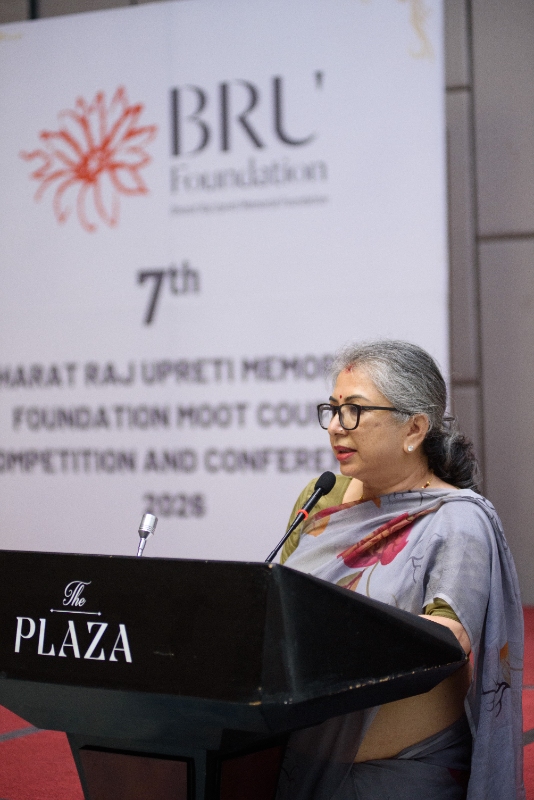
The Bharat Raj Upreti Memorial Foundation, in collaboration with Pioneer Law Associates, successfully organized the 7th Bharat Raj Upreti Memorial Foundation Moot Court Competition and Conference on the 3rd and 4th of July 2026. The event drew participation from distinguished guests from the Supreme Court, the Office of the Attorney General, High Court Patan, Special Court, Labour Court, and various District Courts. Prominent lawyers from leading law firms and participants from 18 law schools across Nepal were also in attendance.
This year’s Moot Court Competition centered on legal issues involving data privacy and technology law, including user consent, hate speech, and platform safe-harbor protections.
The first day of the event, held at Nepal Law Campus, featured the preliminary and semi-final rounds. Participating institutions included Bright Vision Law College, Tulsipur Metro College, Lumbini Buddhist University, Prithvi Narayan Campus, Mid West University Graduate School of Law, Kailali Multiple Campus, Far Western University, Lumbini Integrated Academy, Butwal Multiple Campus, Gandaki University, National Law College, Himalayan White House College of Law, Maharshi Law College, Kathmandu University School of Law, Nepal Law Campus, ChakraBarti Habi Law College, Kathmandu School of Law, and Khwopa College of Law.
From among these institutions, National Law College, Kathmandu School of Law, Himalayan White House College of Law and Khwopa College of Law advanced to the semi-finals; with Khwopa College of Law and National Law College progressing to the finals.
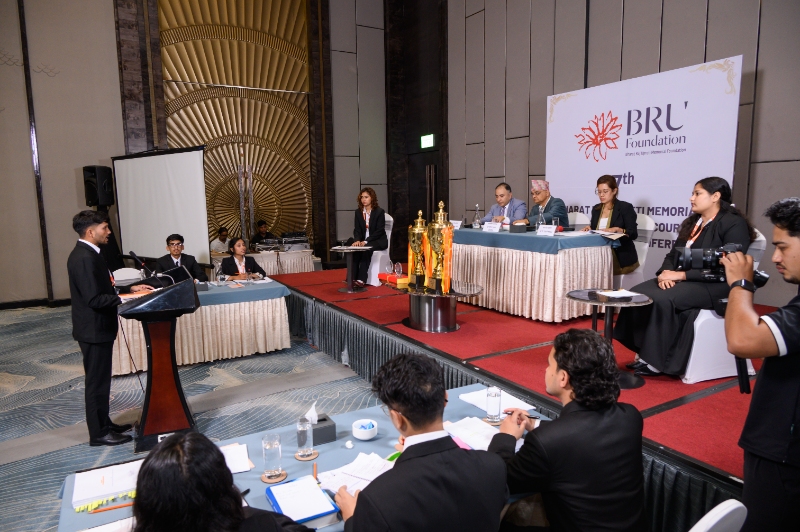
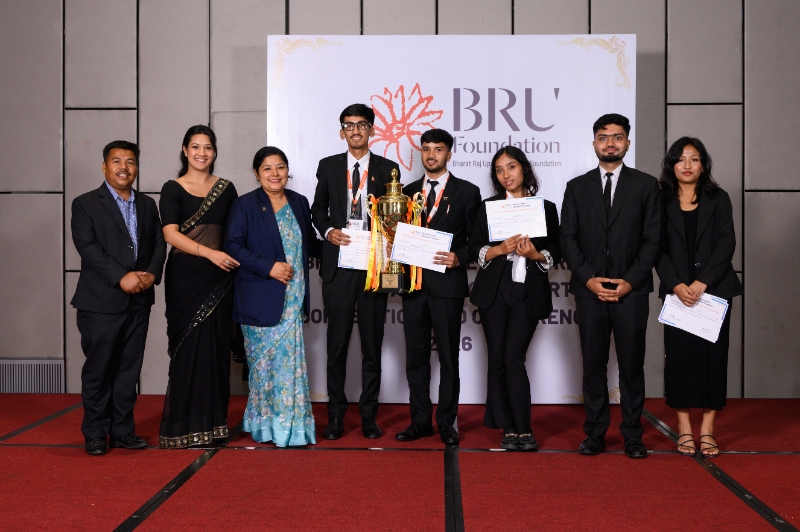
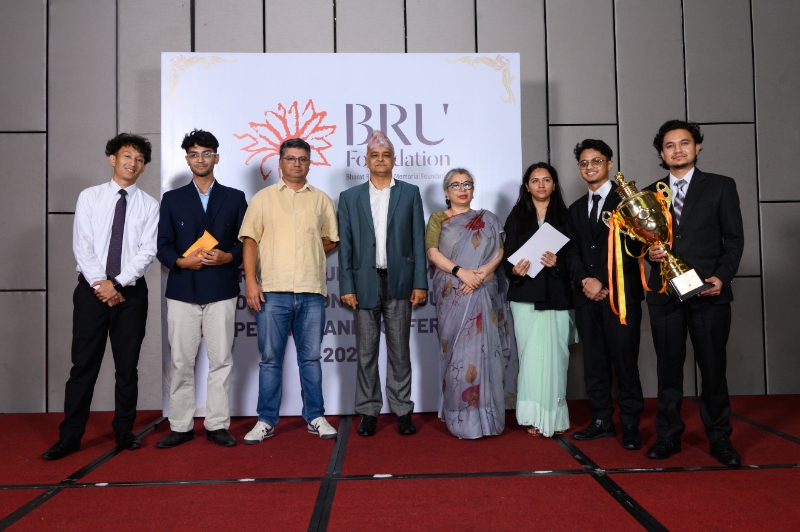
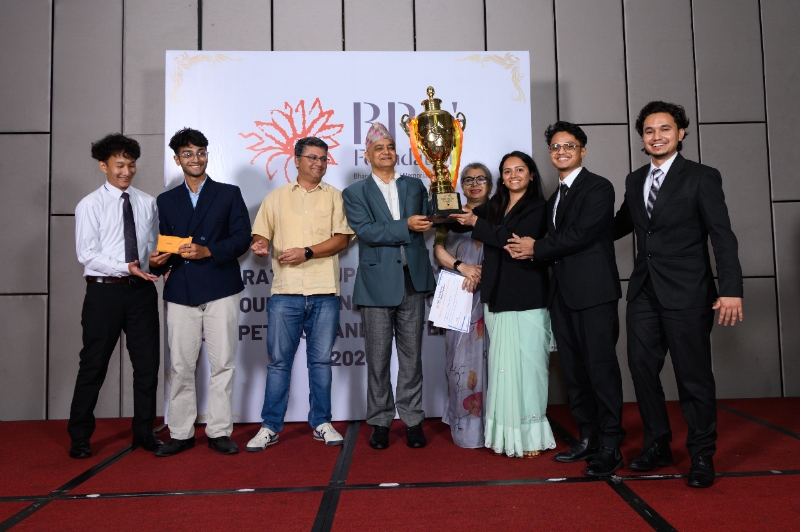
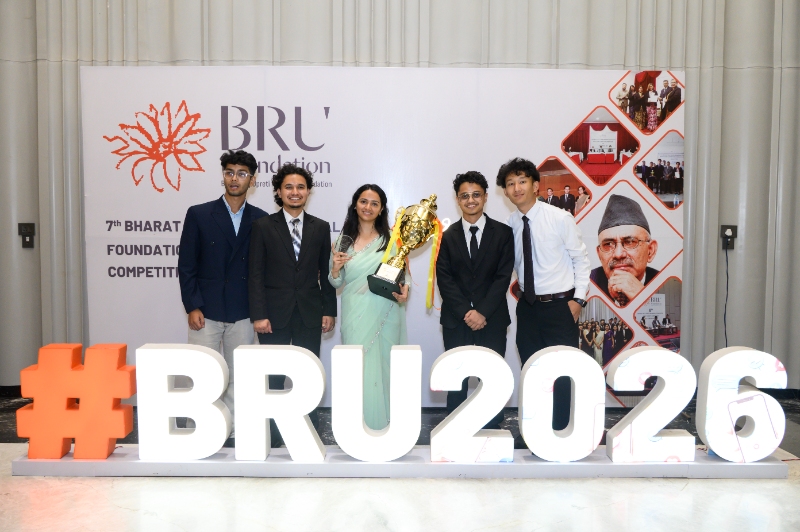
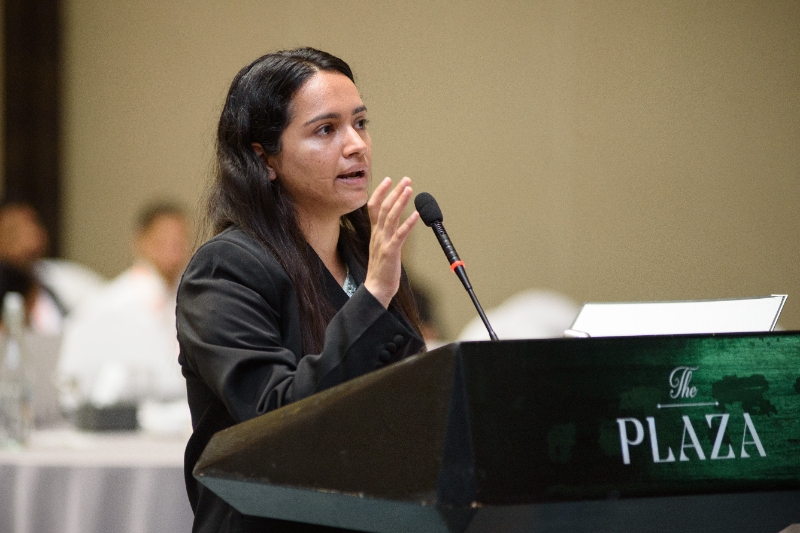
The second day of the event, hosted at The Plaza in Pulchowk, Lalitpur, featured the final round of the Moot Court Competition between Khwopa College of Law and National Law College. The bench for the finale of the Moot Court comprised of Hon. Justice Mr. Sunil Kumar Pokhrel, Judge at the Supreme Court of Nepal, Mr. Anup Raj Upreti, Managing Partner at Pioneer Law Associates, and Ms. Prakritee Yonzon Neumeyer, Lawyer and PhD Holder from The University of Hong Kong. National Law College emerged as the winner, with Khwopa College of Law securing the position of runner-up.
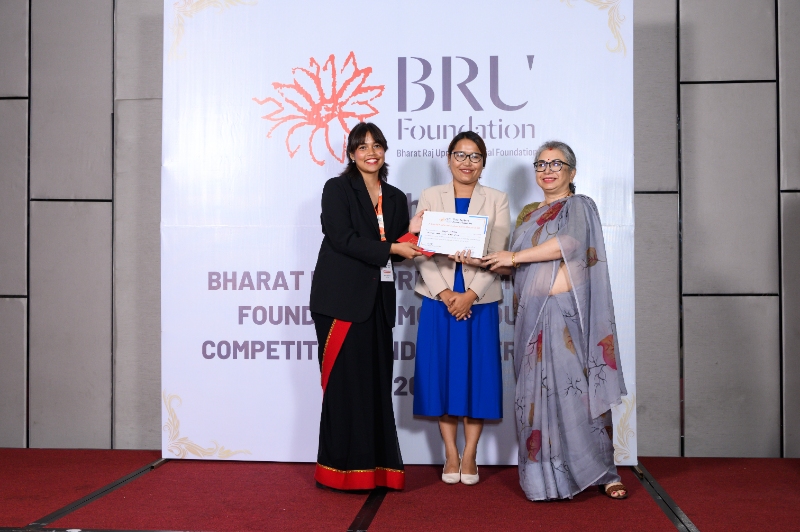
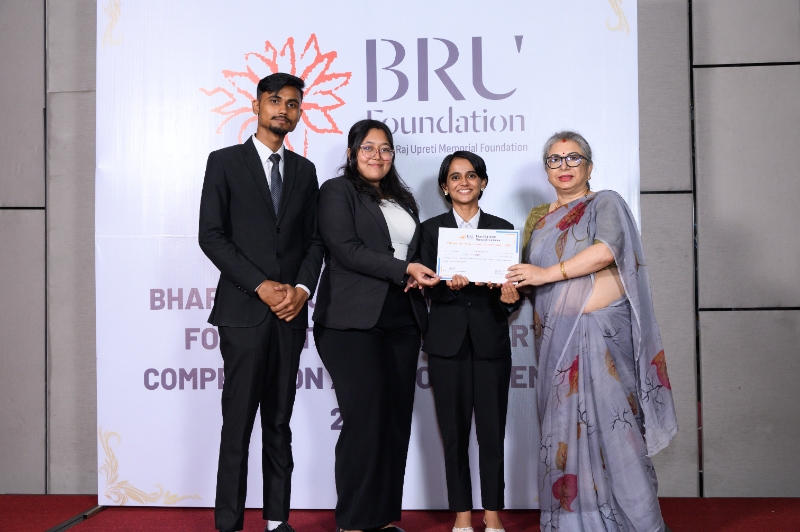
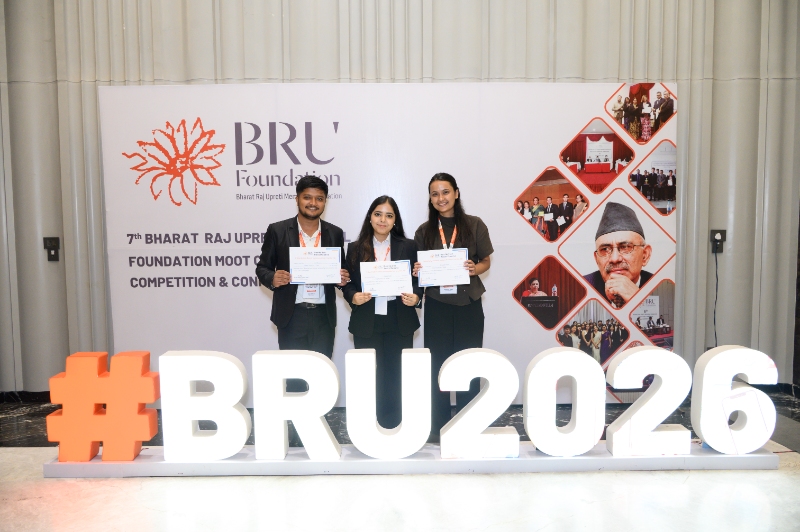
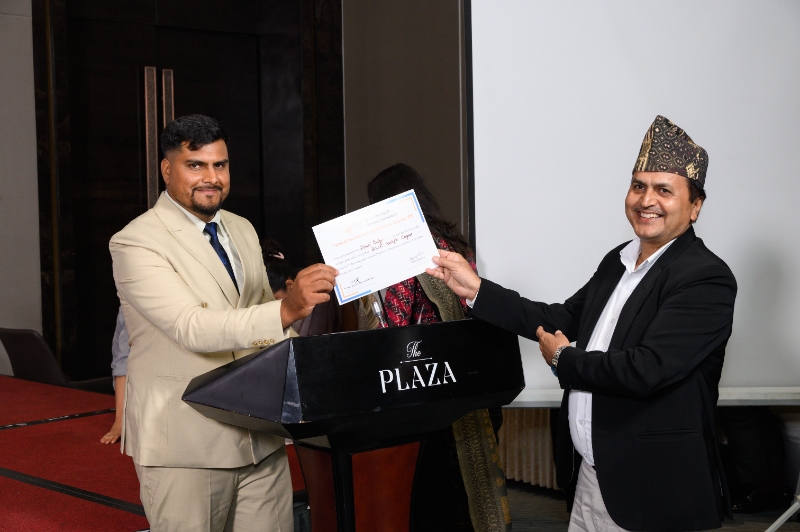
Several awards were presented to recognize outstanding performances. The SS Legal Best Team Award, carrying a cash prize of NPR 1,00,000 and sponsored by SS Legal, was awarded to the winning team of the Moot Court Competition, National Law College. The Runner-up of the Competition Award, carrying a cash prize of NPR 50,000 and sponsored by the BRU Memorial Foundation, was awarded to the runner-up of the Moot Court Competition Khwopa College of Law. The Neupane Law Associates Best Legal Opinion Award, with a cash prize of NPR 50,000, was also won by Nepal Law Campus. The Best Oralist Award, sponsored by the BRU Memorial Foundation and carrying a cash prize of NPR 50,000, was awarded to Ms. Sushma Acharya from National Law College for achieving the highest cumulative score in the preliminary rounds. The Reliance Law Firm Commanding Courtroom Presence Award, recognized exceptional persuasiveness and impactful presentation during the semi-finals, sponsored by Reliance Law Firm and Reliance Corporate Advisors, carrying a cash prize of NPR 50,000, was presented to Ms. Debyani Adhikari of Himalayan Whitehouse College of Law.
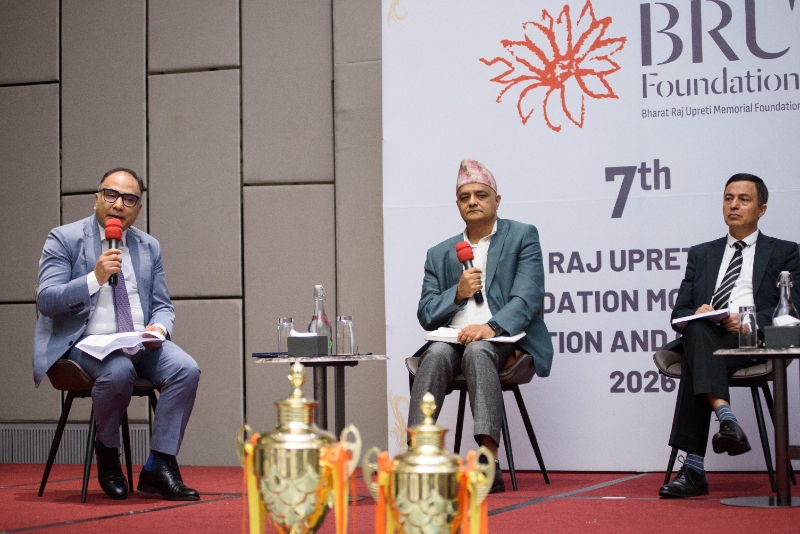
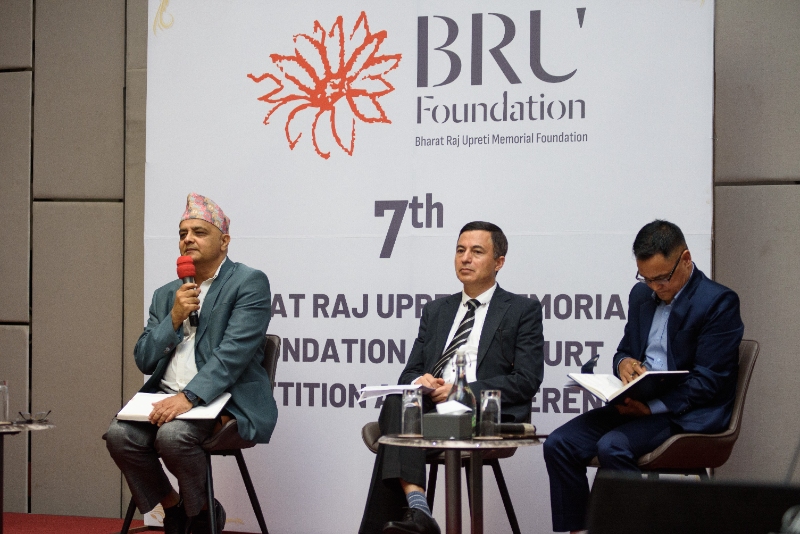
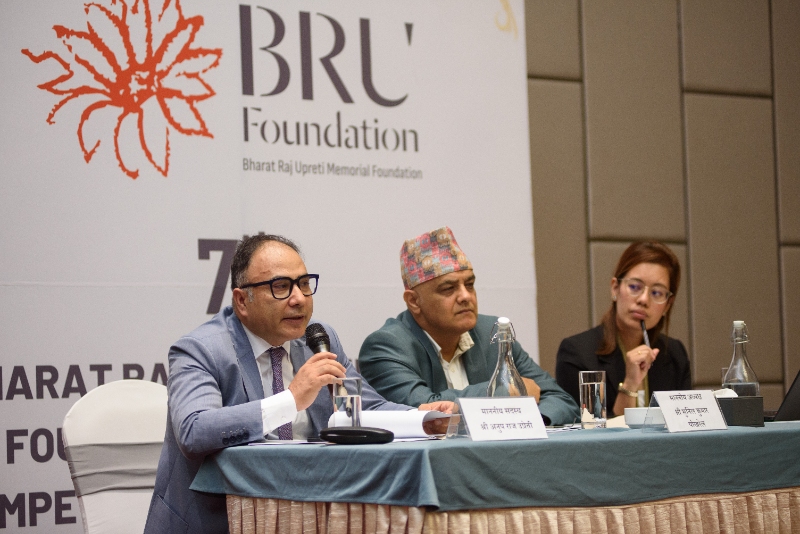
Following the final round, a brief presentation was made by Mr. Anup Raj Upreti, Managing Partner at Pioneer Law Associates, introducing key issues in platform and media/content regulation through a short PowerPoint presentation. This was followed by a panel discussion, also moderated by Mr. Anup Raj Upreti on the theme “The Social Media Dilemma: Rights, Regulation, and Remedies” [सामाजिक सञ्जालकोदुविधा: अधिकार, नियमनर उपचार] which had been key elements of the moot problem.
The panelists included Hon. Justice Mr. Sunil Kumar Pokhrel, Judge, Supreme Court of Nepal, Mr. Khem Raj Gyawali, Deputy Attorney General, Office of the Attorney General, and Mr. Dilip Kumar Giri, Superintendent of Nepal Police.
The conference explored how the rise of social media platforms has reshaped news, public discourse and daily life in Nepal, alongside the growing crisis of cybercrime in the country. Discussions covered the live streaming of judicial proceedings and their comment sections, what constitutes hate speech and how it gets amplified online.
Speakers examined the adequacy of Section 47 of the Electronic Transactions Act, 2063, questioning whether Nepal is applying the ETA correctly and what the country’s answer to rising cybercrime should be.
The session also revisited the attempt to regulate social media through the Directives for Managing the Use of Social Networks, 2023, and where it fell short. The Conference concluded with a look at the role of Artificial Intelligence in the judiciary.
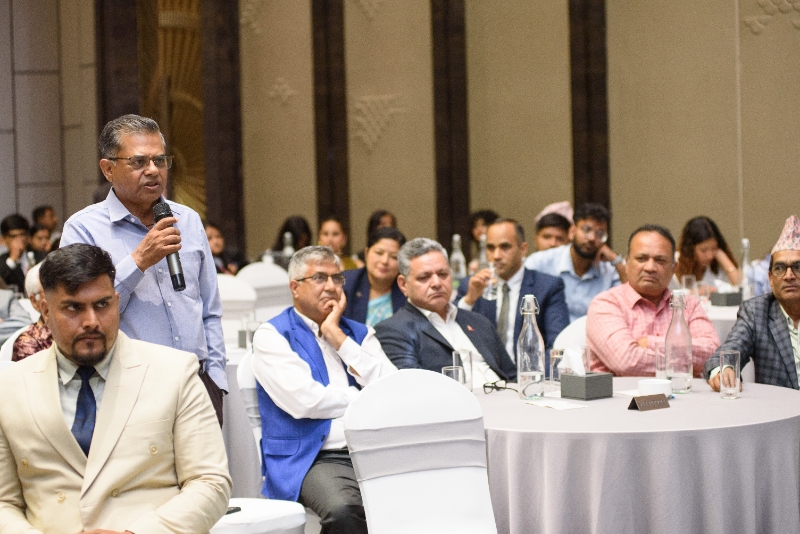
The discussion concluded with a lively question-and-answer segment that saw enthusiastic participation from students and legal professionals alike.